My Role
UX Researcher
UX Designer
Personal Project
Good Places
Date / Duration
February 2022 - ongoing
Introduction
Good Places is a personal project of mine that I've been working on in my spare time. It's a concept for an app that sets out to solve a problem that I frequently face in my own life, and through the early research carried out in this case study, I found that others encounter this problem too.
Project Goal
The goal of this project was to create an interactive prototype that will serve as a minimum viable product (MVP) which will be tested on potential users to evaluate whether there's product-market fit or put simply, whether there's actually a demand for such a product.
The Problem
Whether you’re going out for dinner, getting coffee with a friend, or simply going for a walk somewhere new, finding good places to go can be time-consuming and frustrating. Review sites tend to be hit or miss, with reviews running from awful to amazing, which can be confusing when trying to gauge whether a place is good or not.
The Solution
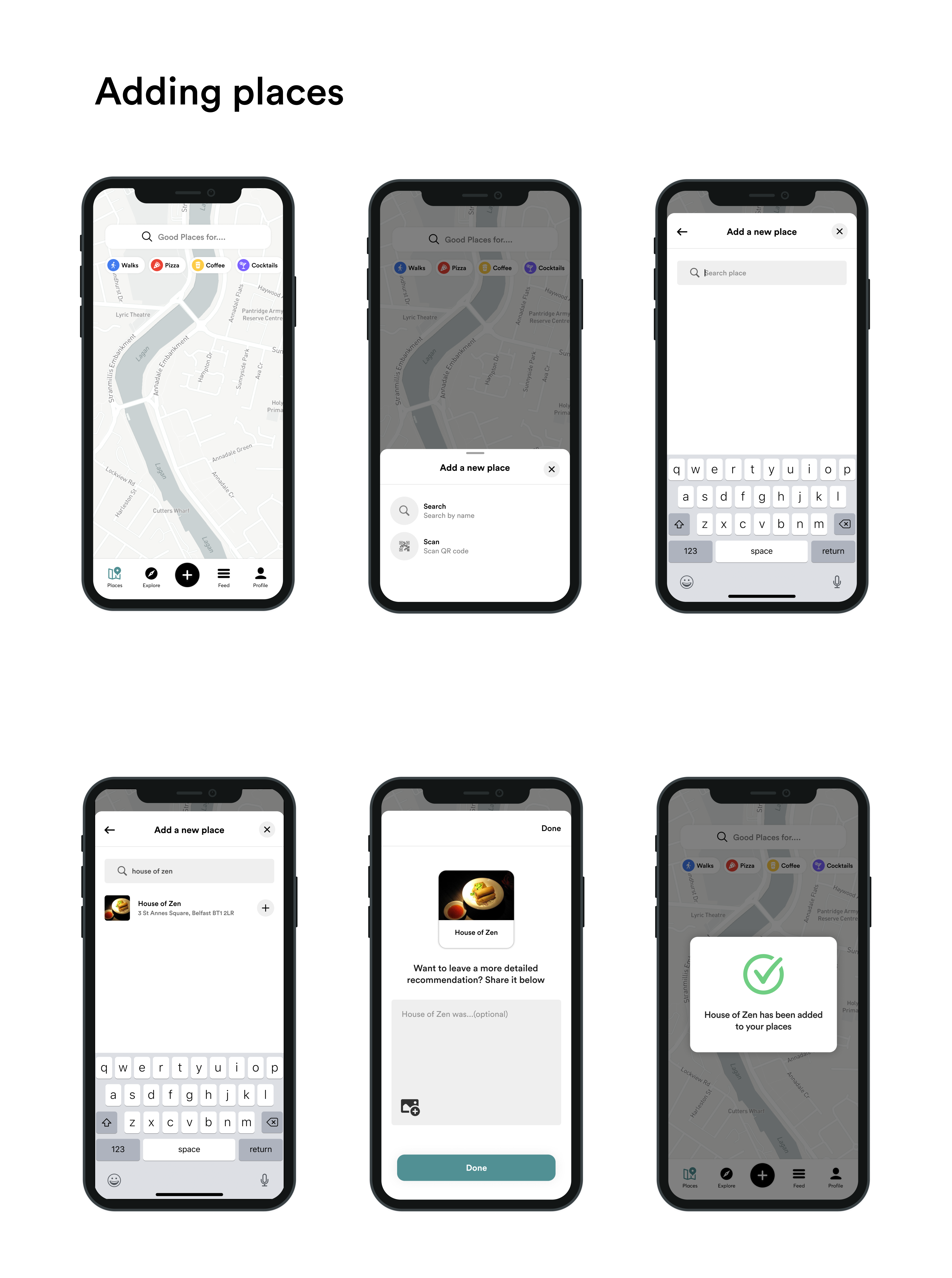
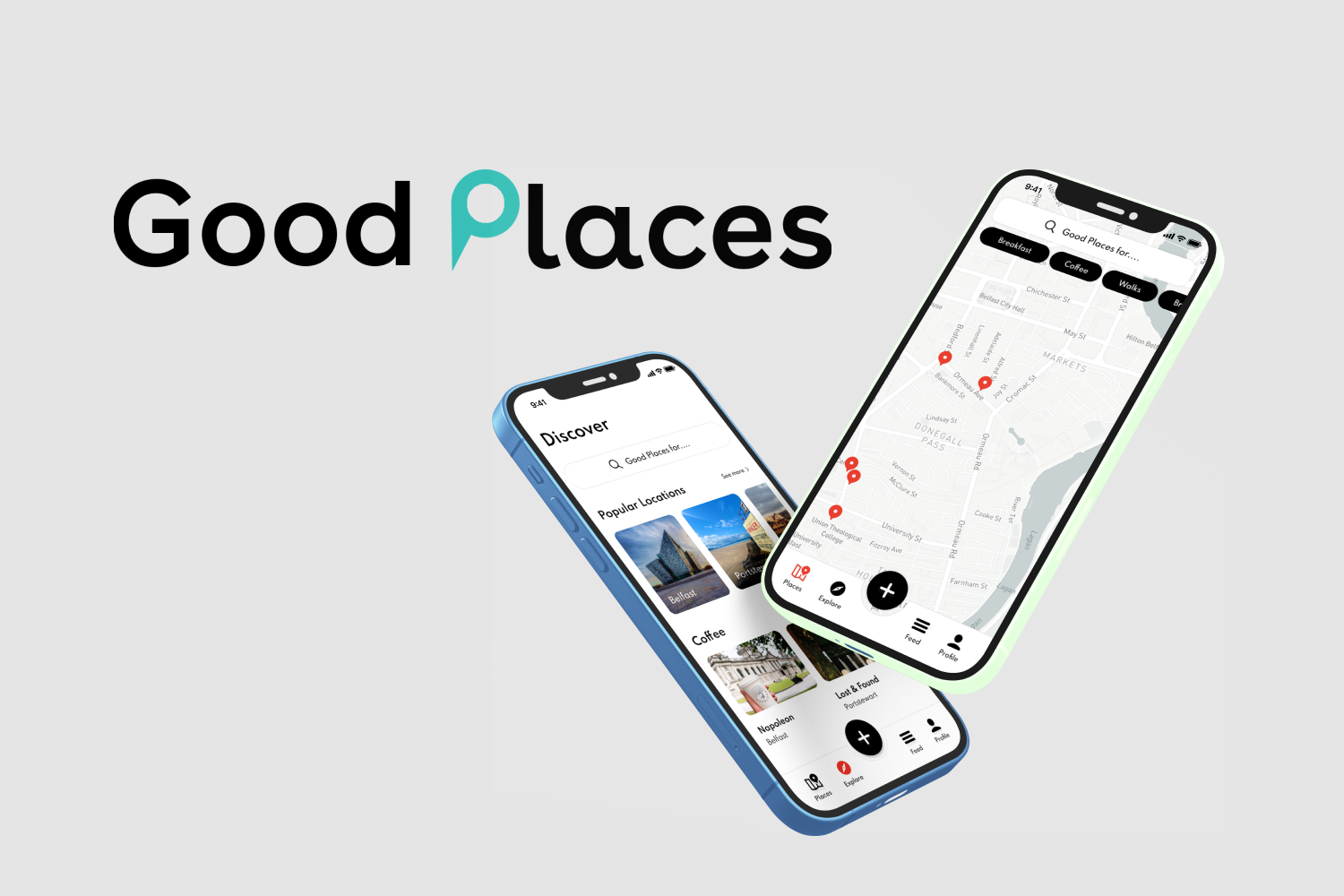
The solution is a mobile app that enables users to search for restaurants, coffee shops, and a long list of other vendors and activities, recommended by their friends. When users visit a new place, they can add it to their recommendations, sharing images and a review if they choose to. When their friends search for that category (e.g. "coffee") in that location (e.g. "Belfast"), their recommendations will be shown to them.
Research & Analysis
Survey
I carried out a survey to get a better understanding of the problem and recurring struggles people face. There were 42 respondents aged 18–25.
Here are the key findings:
75% of respondents reported they find it difficult to find new places to go.
When asked how they usually go about finding new places to go, 64% of respondents reported “searching online”, with the other 36% asking friends who had been to that location before.
Of the respondents who answered “searching online”, 71% spend more than 10 minutes searching for somewhere
When asked about who’s recommendations they trust the most, 97% of respondents answered “friends”.
The following are factors that respondents reported contribute to their decision making when deciding where to go:
87% of respondents answered “Taste”
71% of respondents answered “Good menu”
64% of respondents answered “Good images”
37% of respondents answered “Value for money”
User Persona
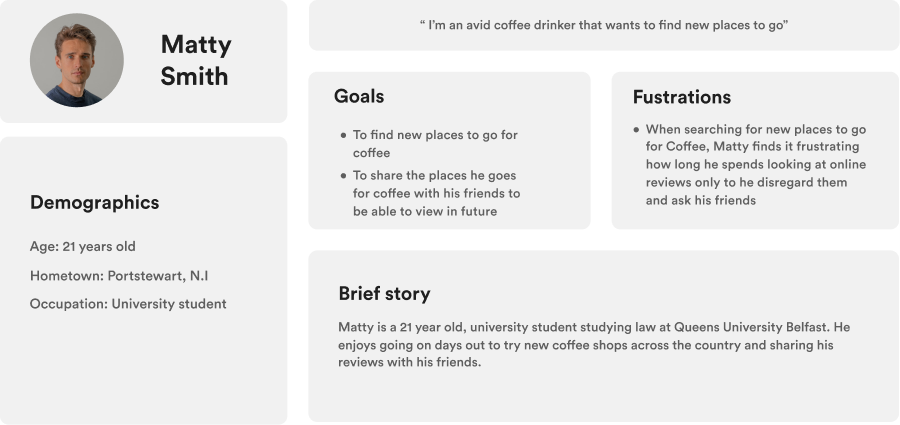
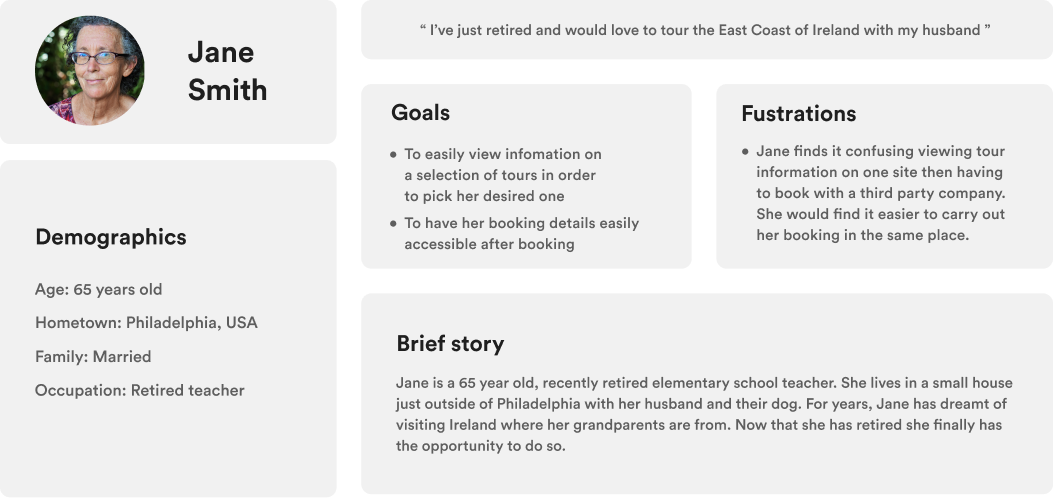
After collecting the data from the survey and converting it to actionable insights, I moved to creating a user persona of what a typical user might look like, detailing their goals and frustrations. By doing this it allowed me to make more empathetic design decisions, always asking "how would this decision help or hinder the user experience?"
User Flow
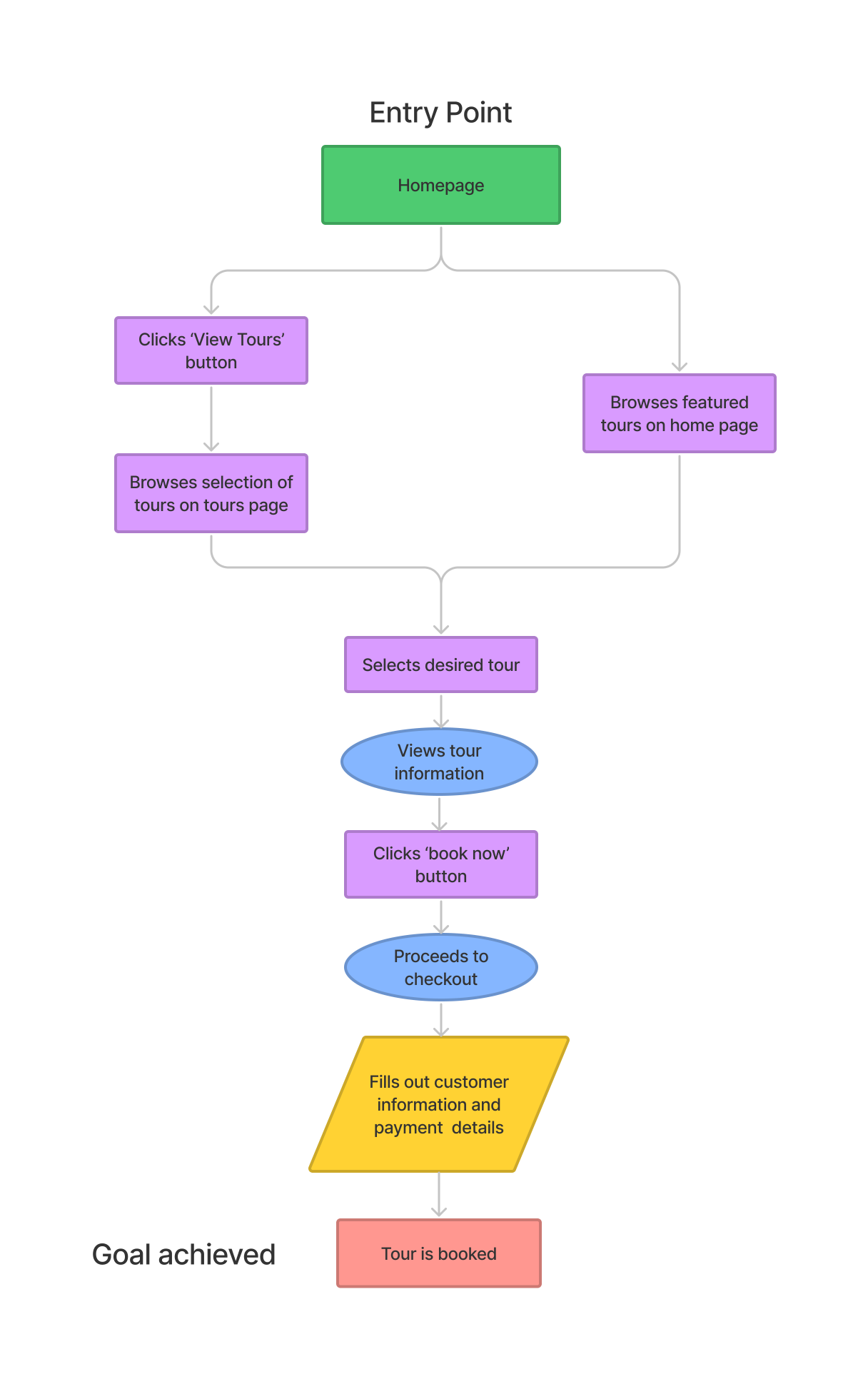
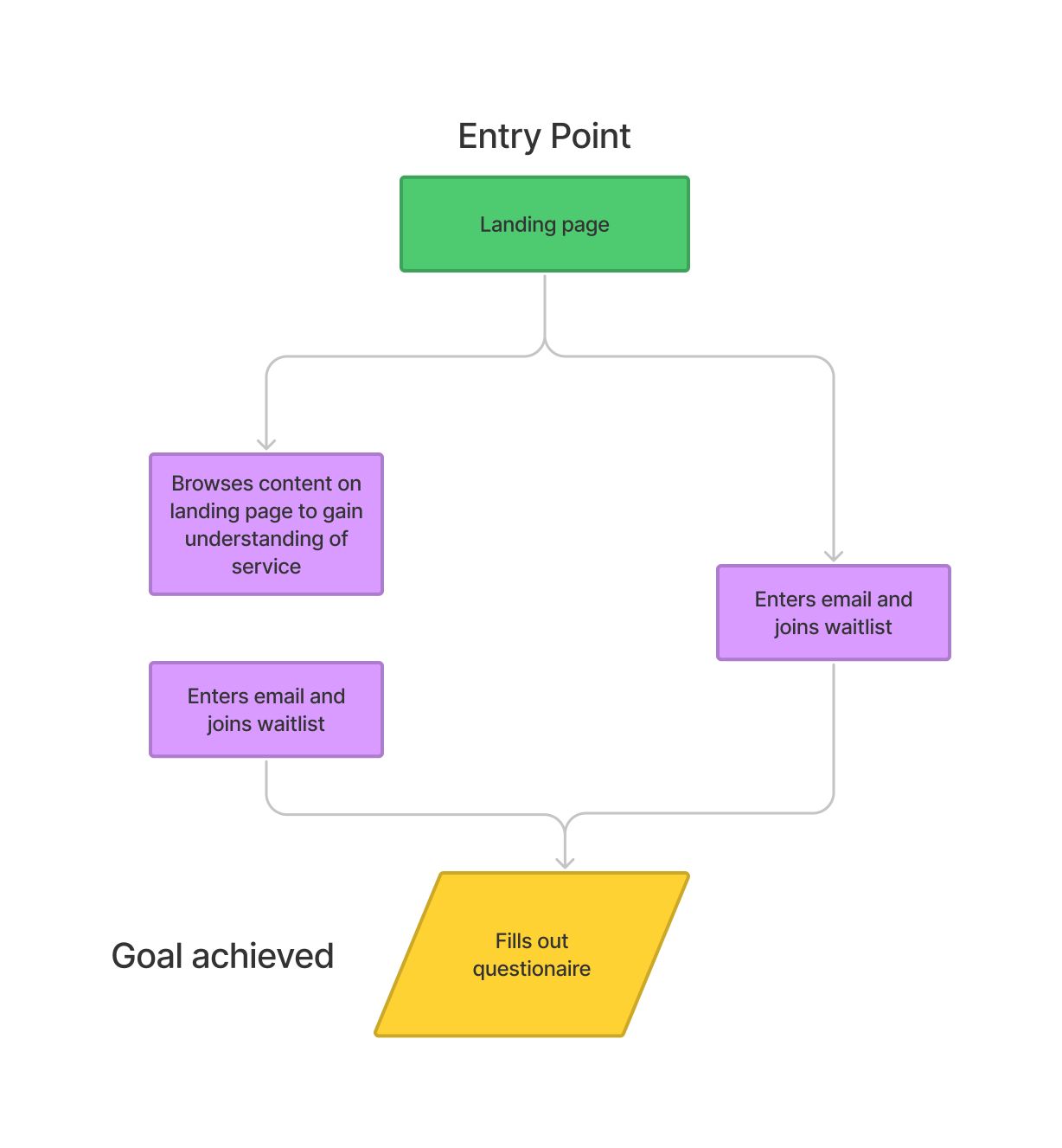
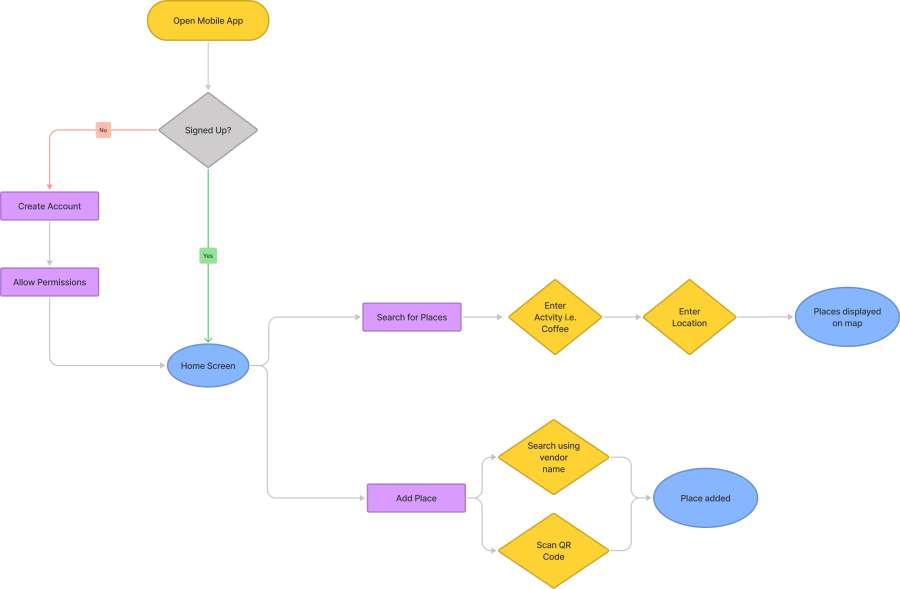
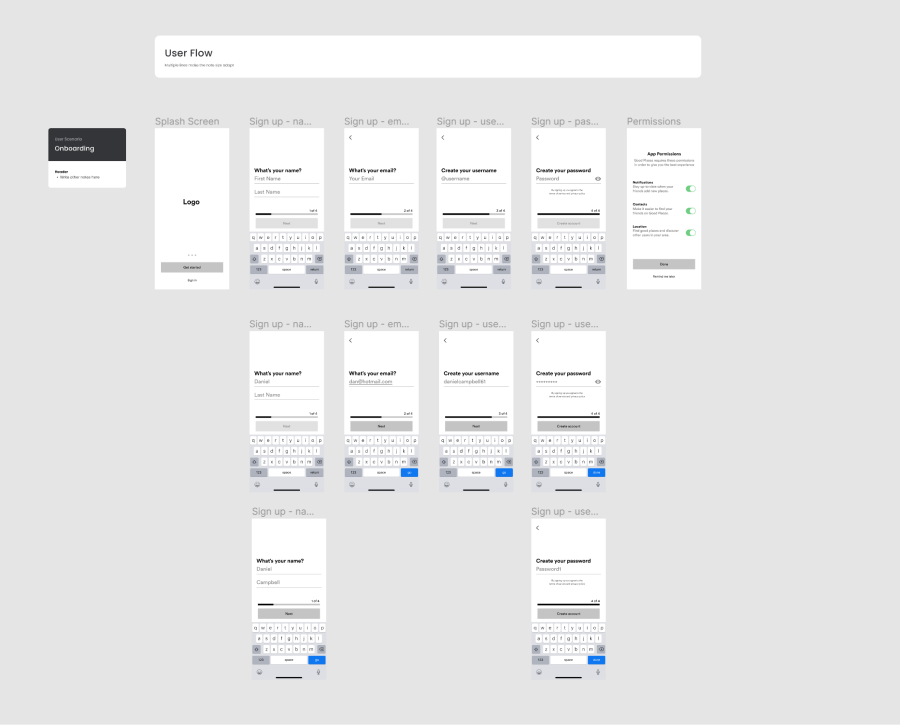
I created a visual representation of the user flow in order to better understand the most optimal path for users to reach their end goal. This process helped me highlight areas of the user journey which are more intricate than others and were crucial in getting right in order to create a positive user experience.
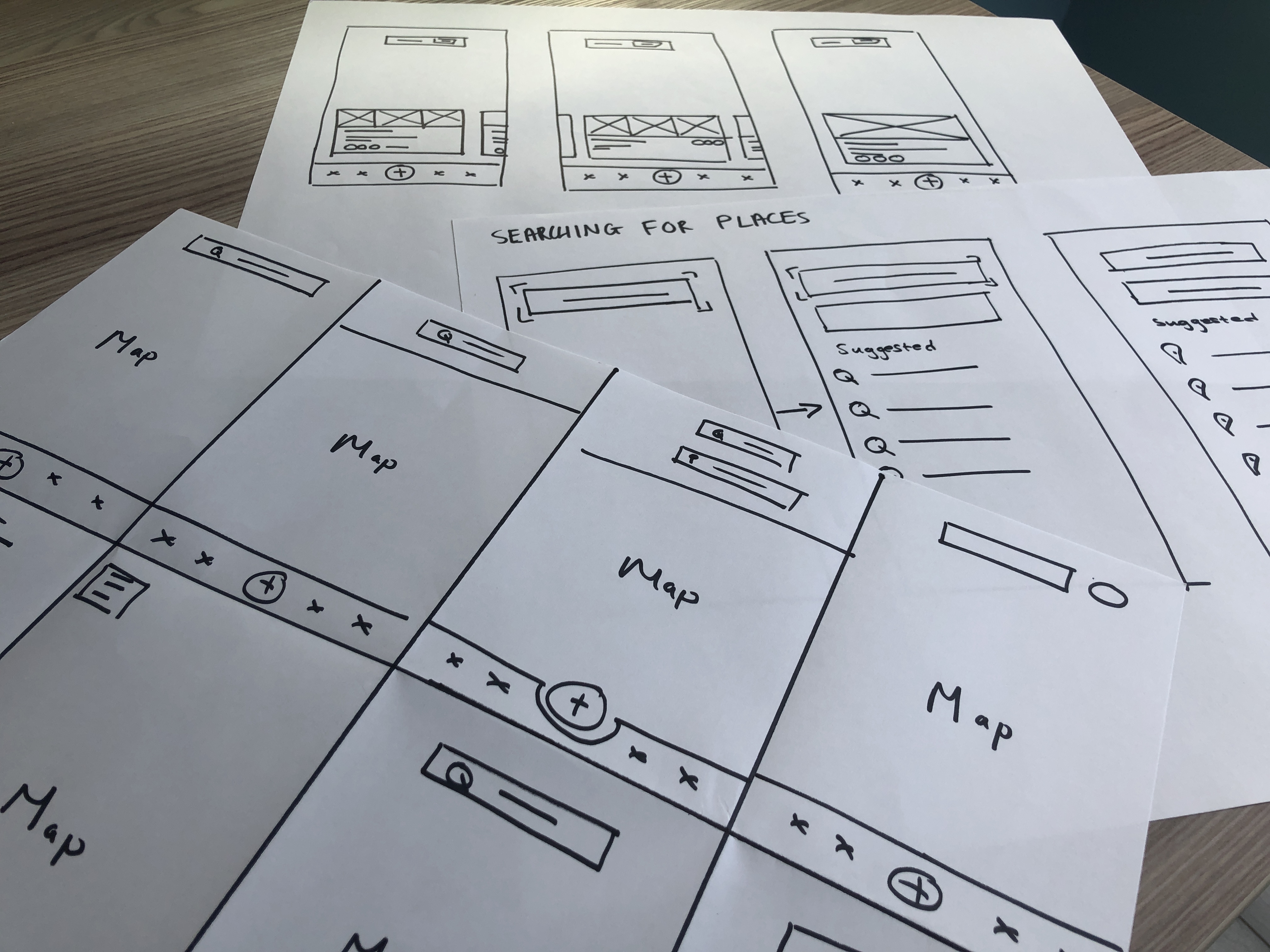
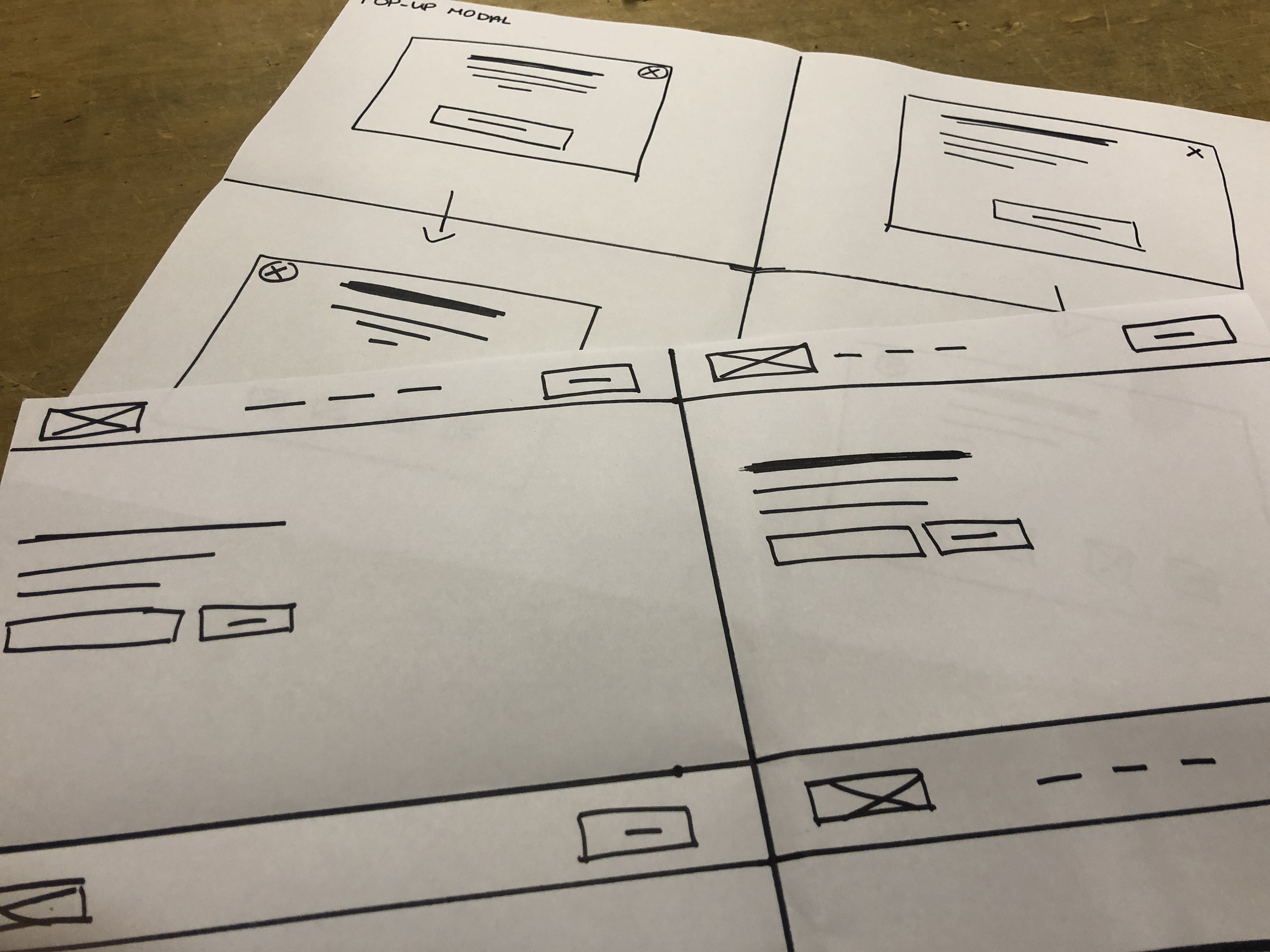
Low-Fidelity Wireframes
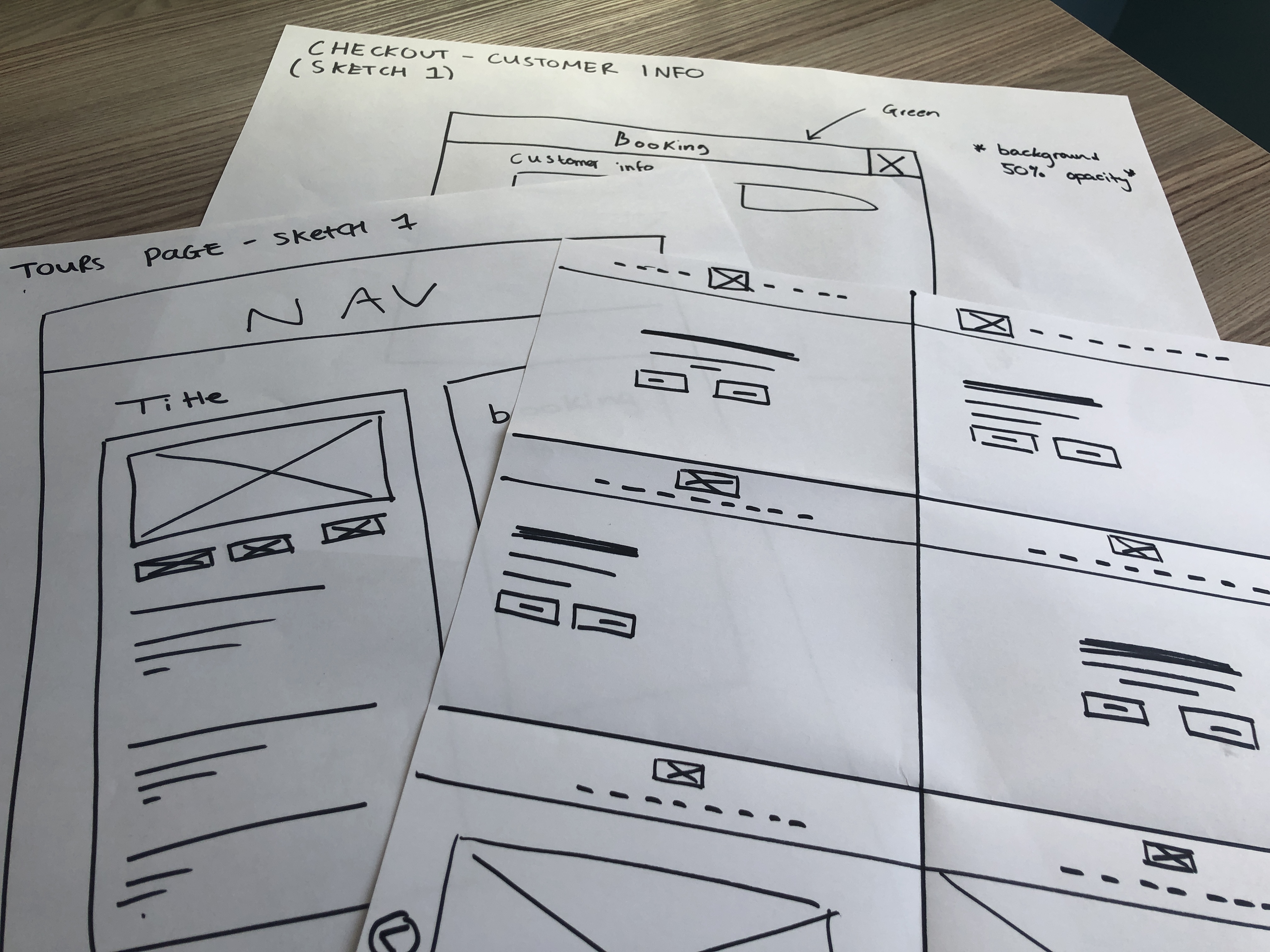
Once I narrowed down the most suitable designs based on the research insights, I moved forward with creating low-fidelity wireframes digitally.
High-Fidelity Designs
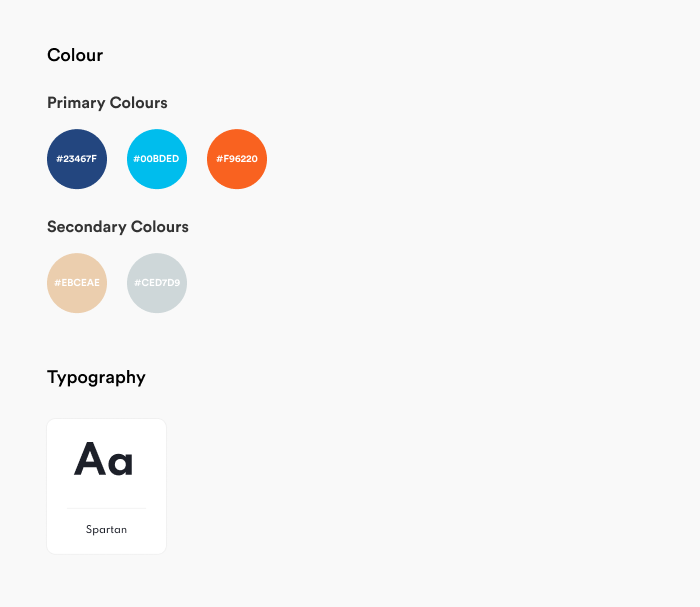
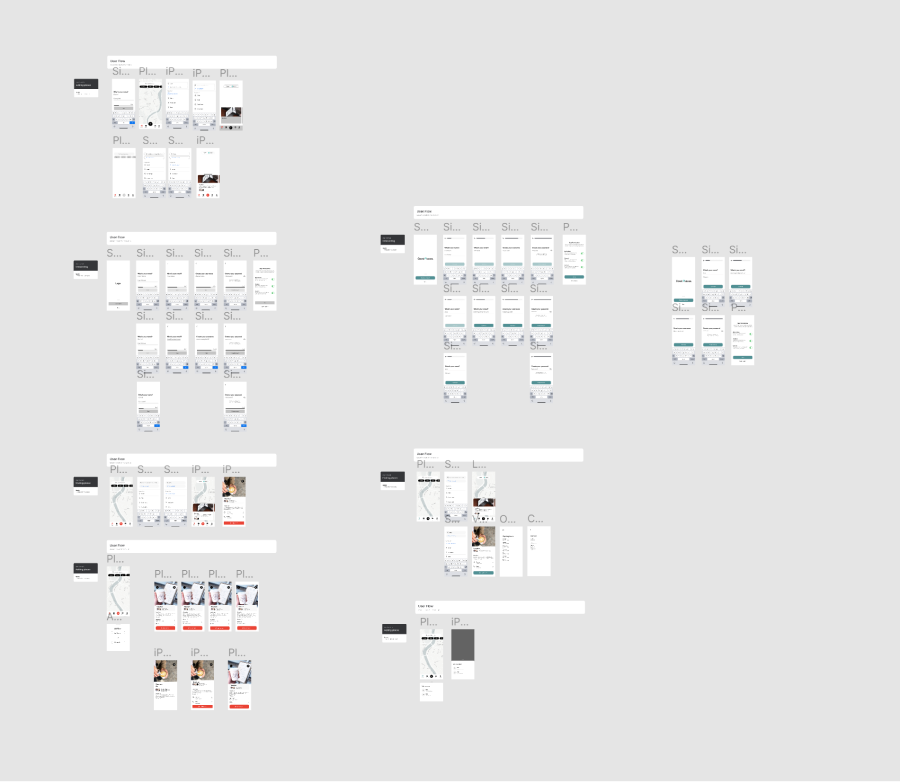
I then began turning my digital wireframes into high-fidelity designs, experimenting with different colors, shapes, and typography.
Prototyping
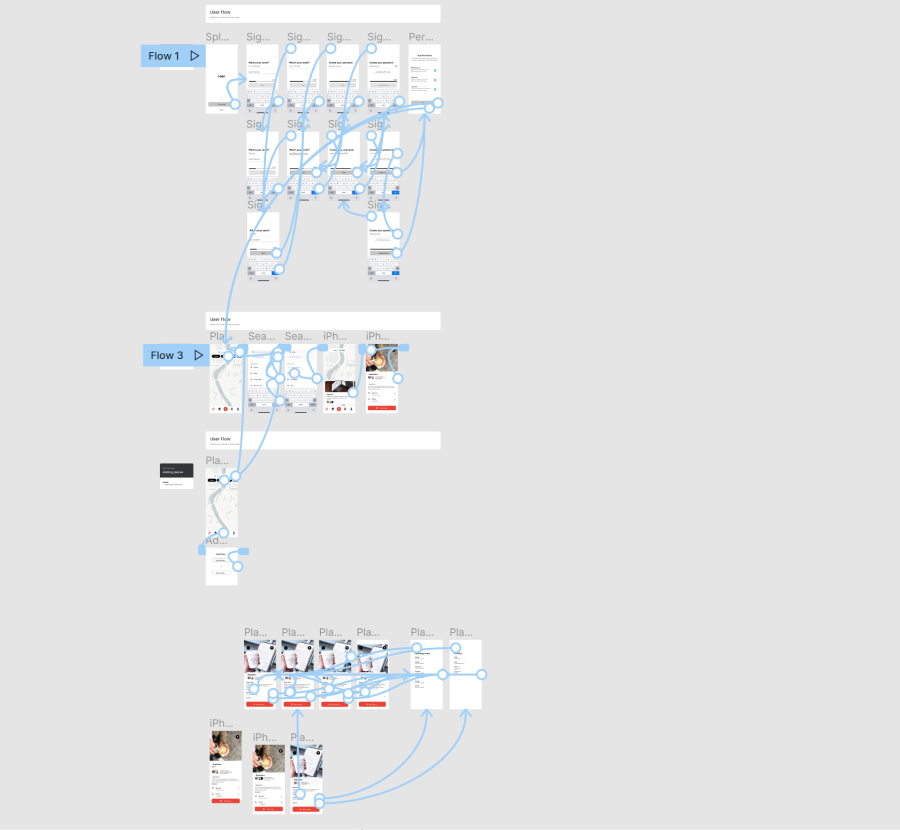
I created an interactive prototype to give testers a comprehensive example of how different user flows and transitions work within the app in order to best analyze their experience and their specific emotions when trying to achieve their goals.
Final Designs
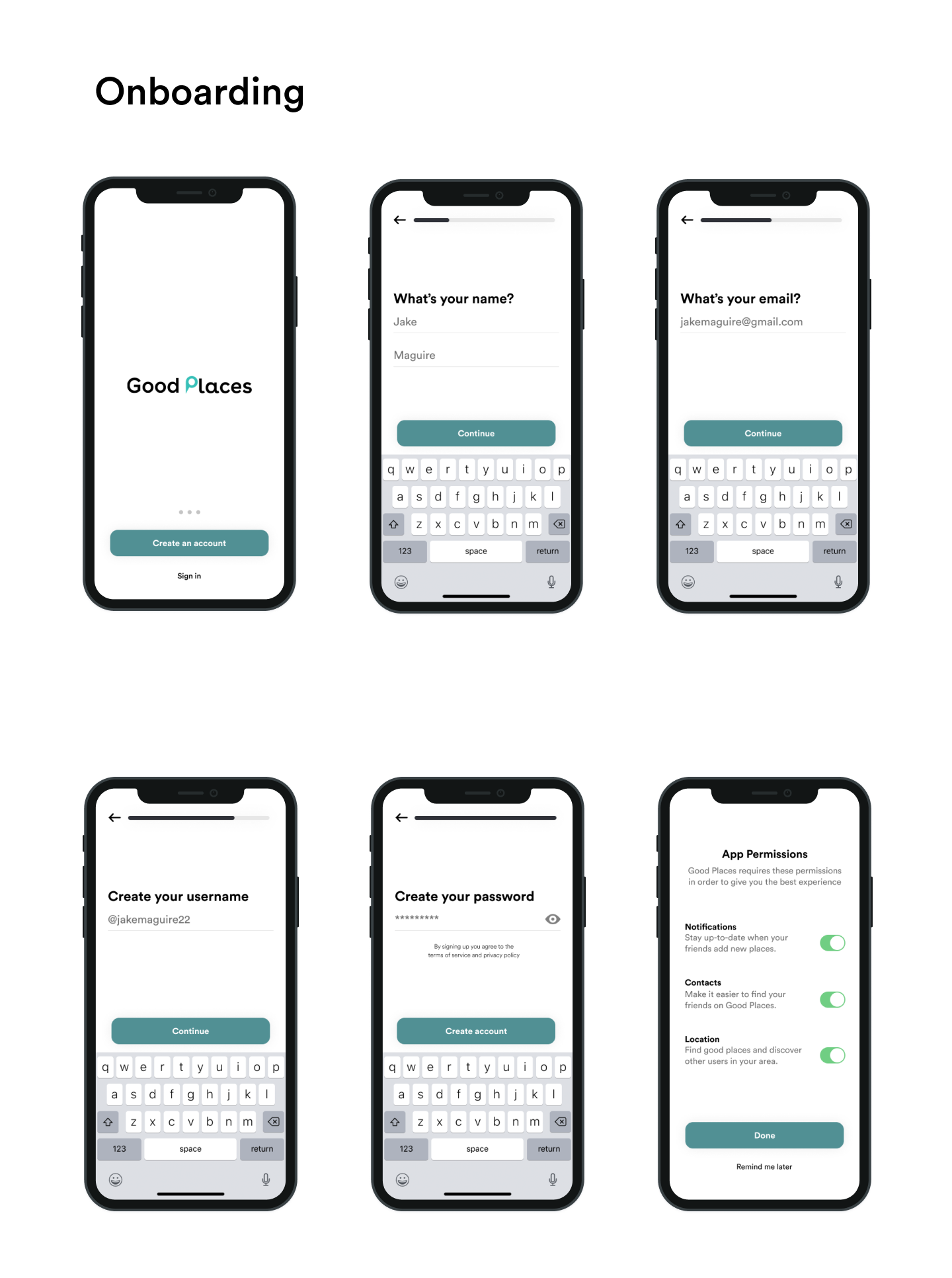
A collection of the final designs.